Close

Spring maintenance of the biolake

March and April are the right time to pay a little extra attention to the maintenance of the biolake, so that it can be ‘reborn’ in all its beauty.

Specifically, it is essential to carry out an early season cleaning, in which debris and leaves that may have settled on the bottom and walls of the basin are removed using the special robot. Particular attention must be paid to the filter area, which must be vacuumed in order to allow it to function properly.

If the pumps have been turned off during the winter, it is important to check them and turn them on again to restore the water circulation system.

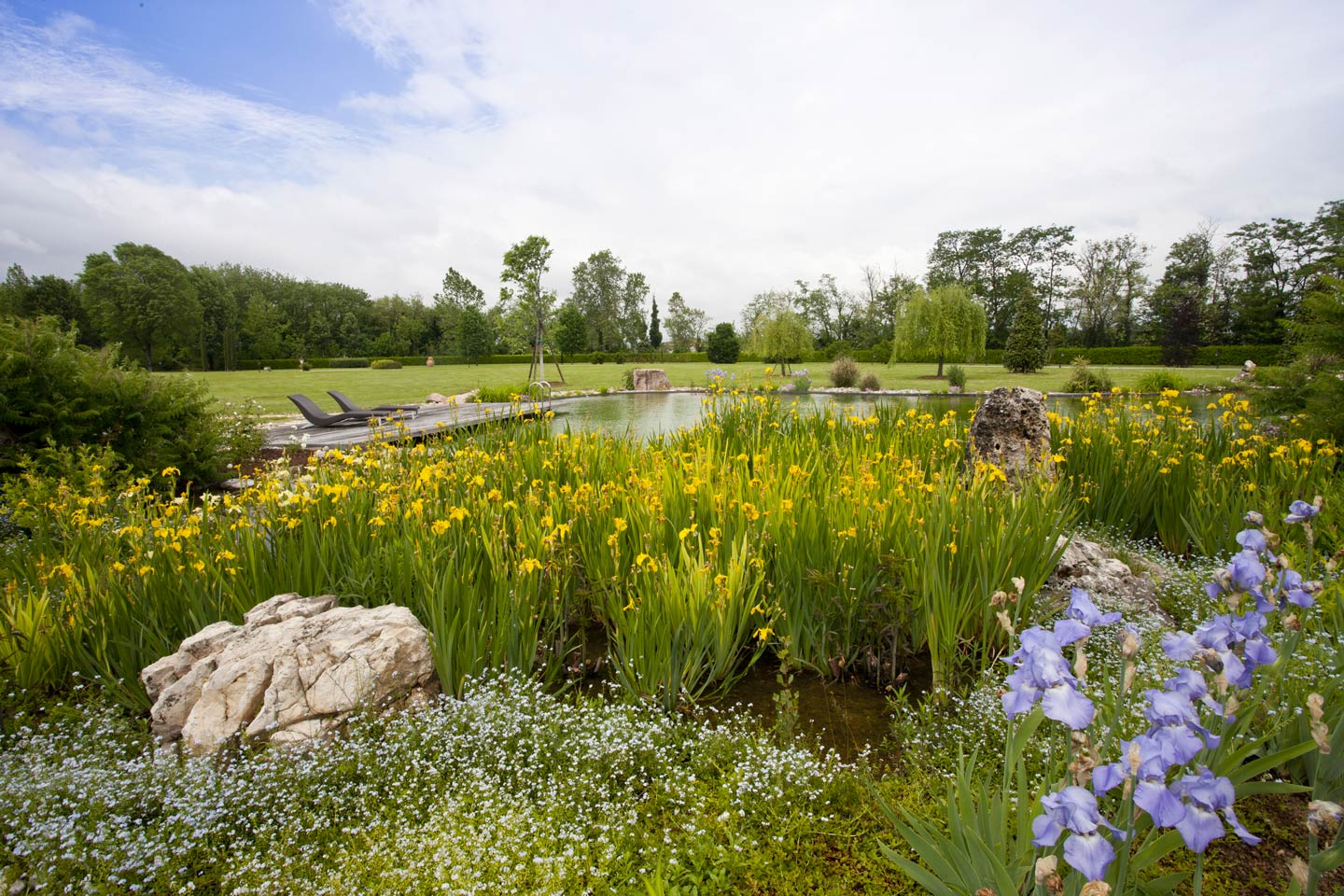
With the arrival of spring, nature reawakens, so it is important to monitor the health and growth of vegetation, which may become excessive and affect the balance of the biolake. In the case of both lakeside and aquatic plants, if they are too lush, they should be pruned to prevent them from taking over and suffocating other species.

Once these measures have been taken, the biolake is ready for the warm season, in a blaze of colour and clear water that invites you to dive in and enjoy a magical moment in contact with nature.

If you need advice on the maintenance of your biolake or would like to know more about creating one at home, contact us!
Choosing aquatic plants for the biolake

Colourful water lilies that float on the water surface, delicate lotus flowers and submerged plants that help to keep the water “healthy”: to be sure of making a wise choice, the selection of the types of plants for the biolake should be advised by an expert, to prevent one plant from prevailing on the other and affecting the balance of this microcosm.

The main types of aquatic plants that can be included in a biolake are the following, each with its own features:

  • submerged oxygenating plants, which are useful for releasing large quantities of oxygen into the biolake, which keeps the water clear, because it helps to control the formation of single-celled algae, which give the water its typical green colour;
  • shade plants, whose large leaves on the surface protect the biolake from the sun rays, keeping the water fresh and clean;
  • marshy bank plants, which are essential for the phyto-purification process.

The plants in the biolake require small seasonal adjustments so that they can regenerate and keep the biolake in optimal condition.

In particular, in spring it is important to check for dead leaves and, if necessary, to remove them, as well as to ensure that no plant prevails on another, thus compromising the well-being of the biolake.

If you would like more information and are thinking of giving yourself and your family a regenerating stretch of water, do not hesitate to contact us!

Eco-sustainability: environmental protection through the biolake

First of all, because its distinguishing feature is phytodepuration, a system that purifies water with the help of special plants, making the use of chemicals unnecessary. This ensures that the water discharged is always clean and safe, with no risk of contaminating the aquifer with chemicals.

The electricity consumption aspect is also a point in favour of the eco-sustainability of the biolake: pumps with a very low energy consumption are required to allow it to function, thus saving kWh of electricity.

One of the problems that plagues our urban centers is the so-called “heat island”: a phenomenon whereby city areas have a warmer microclimate than peripheral and rural areas. The plants and water in a biolake can contribute through evaporation to reducing the effects of the heat island, which is responsible for the overheating of cities.

Finally, the characteristics of the bio-lake make it a safe place for pets to drink and bathe, but not only that: birds and butterflies often perch on its surface or shore for the same reasons, thus creating an environment in which the local fauna can rest.